
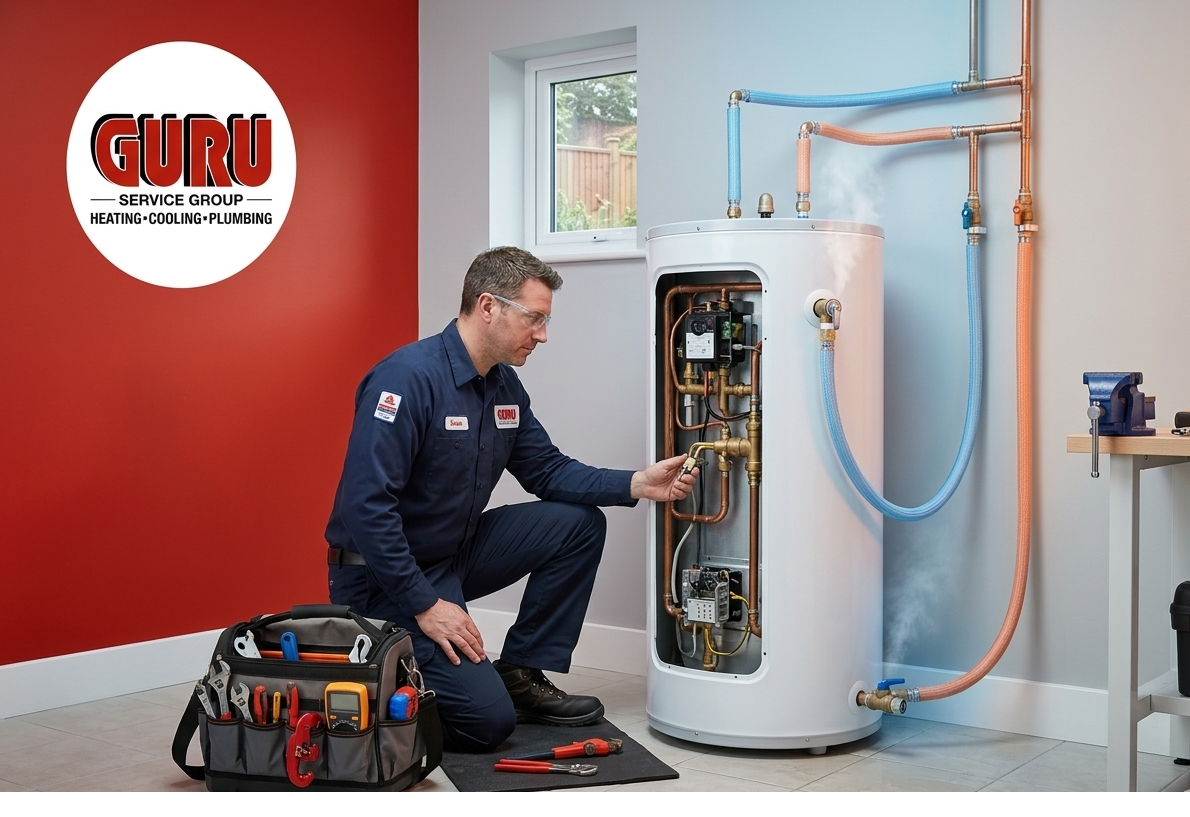
A reliable hot water tank is essential for everyday comfort, whether it’s taking a warm shower, washing dishes, or doing laundry. However, like any home appliance, hot water tanks can develop problems over time. If you live in Surrey, understanding these common issues can help you act quickly and avoid costly breakdowns.
We’ll explore the most frequent hot water problems, their causes, and when it’s time to call a professional for hot water tank repair services in Surrey.
Why Hot Water Tanks Fail Over Time
Hot water tanks work hard every day, heating and storing water for your household needs. Over time, wear and tear, sediment buildup, and aging components can affect performance. Regular maintenance can extend the lifespan of your system, but even well-maintained units may eventually require repairs.
1. No Hot Water
One of the most common and frustrating problems is turning on the tap and getting only cold water.
Possible Causes:
- Faulty heating element (electric tanks)
- Broken thermostat
- Pilot light issues (gas tanks)
- Tripped circuit breaker
If your tank suddenly stops producing hot water, it’s best to seek HVAC Repair Surrey services to diagnose the issue quickly and restore functionality.
2. Water Not Hot Enough
If your water is lukewarm instead of hot, it could indicate a problem with your system’s settings or components.
Common Reasons:
- Thermostat set too low
- Sediment buildup is reducing heating efficiency
- Failing heating element
Adjusting the thermostat might help temporarily, but persistent issues usually require professional inspection.
3. Strange Noises from the Tank
Do you hear popping, rumbling, or banging noises coming from your hot water tank?
What It Means:
These sounds are typically caused by sediment buildup at the bottom of the tank. As water heats, trapped sediment causes noise and reduces efficiency.
Why It Matters:
Ignoring these noises can lead to:
- Increased energy bills
- Reduced tank lifespan
- Potential damage to the tank
4. Leaking Water Tank
A leaking hot water tank is a serious issue that requires immediate attention.
Common Leak Sources:
- Loose connections
- Faulty pressure relief valve
- Corroded tank
What to Do:
- Turn off the power and water supply
- Call a professional immediately
Leaks can quickly escalate into water damage, so prompt action is critical.
5. Rusty or Discolored Water
If your hot water appears rusty or brown, it could indicate corrosion inside the tank or pipes.
Possible Causes:
- Rusting tank interior
- Worn-out anode rod
- Corroded plumbing lines
This is often a sign that your tank is nearing the end of its lifespan and may need replacement rather than repair.
6. Foul-Smelling Water
Water that smells like rotten eggs is usually caused by bacteria reacting with the tank’s anode rod.
Solutions:
- Flushing the tank
- Replacing the anode rod
- Disinfecting the system
Professional technicians specializing in heating and plumbing Surrey can safely resolve this issue and restore clean water.
7. Low Hot Water Pressure
Reduced water pressure can make daily tasks frustrating and inefficient.
Causes:
- Sediment buildup in pipes
- Mineral deposits clogging the tank
- Partially closed valves
A professional inspection can identify whether the issue lies within the tank or your plumbing system.
8. Pilot Light Keeps Going Out (Gas Tanks)
If you have a gas water heater and the pilot light frequently goes out, you may be dealing with:
- Faulty thermocouple
- Gas supply issues
- Drafts affecting the flame
This problem should always be handled by trained professionals for safety reasons.
9. Water Temperature Fluctuations
If your water temperature keeps changing unexpectedly, it can be both inconvenient and unsafe.
Possible Reasons:
- Malfunctioning thermostat
- Sediment is interfering with heating
- Aging system components
Inconsistent temperatures are a sign that your tank needs servicing before the problem worsens.
10. Old or Inefficient Tank
Most hot water tanks last between 8 and 12 years. If yours is older, you may notice:
- Frequent repairs
- Higher energy bills
- Reduced performance
At this stage, it’s often more cost-effective to replace the unit rather than continue repairing it.
Preventive Maintenance Tips
To avoid frequent breakdowns and extend your tank’s lifespan:
- Flush the tank annually
- Check the anode rod every 2–3 years
- Inspect for leaks or corrosion
- Set the thermostat to a safe temperature (around 49°C or 120°F)
Regular maintenance can save you money and ensure a steady supply of hot water.
When to Call a Professional
While some minor issues can be handled at home, most hot water tank problems require expert attention. Attempting DIY repairs can lead to safety risks and further damage.
If you notice persistent issues, unusual noises, or leaks, it’s time to call experienced technicians for hot water tank repair Surrey.
Trust the Experts for Reliable Repairs
When it comes to dependable service, Guru Service Group is a trusted name in Surrey. Their team of skilled professionals specializes in diagnosing and repairing all types of hot water tank issues. Whether it’s a minor fix or a major repair, they deliver efficient, long-lasting solutions.
Don’t let hot water problems disrupt your daily routine. Contact Guru Service Group for their experts for fast and reliable service.
Frequently Asked Questions
How long does a hot water tank last?
Most tanks last 8–12 years, depending on maintenance and usage.
Can I repair a leaking hot water tank myself?
It’s not recommended. Leaks can worsen quickly and should be handled by professionals.
Why is my hot water tank making noise?
Noise is usually caused by sediment buildup at the bottom of the tank, which requires flushing.
Is it better to repair or replace my hot water tank?
If your tank is old and requires frequent repairs, replacement is often the more cost-effective option.