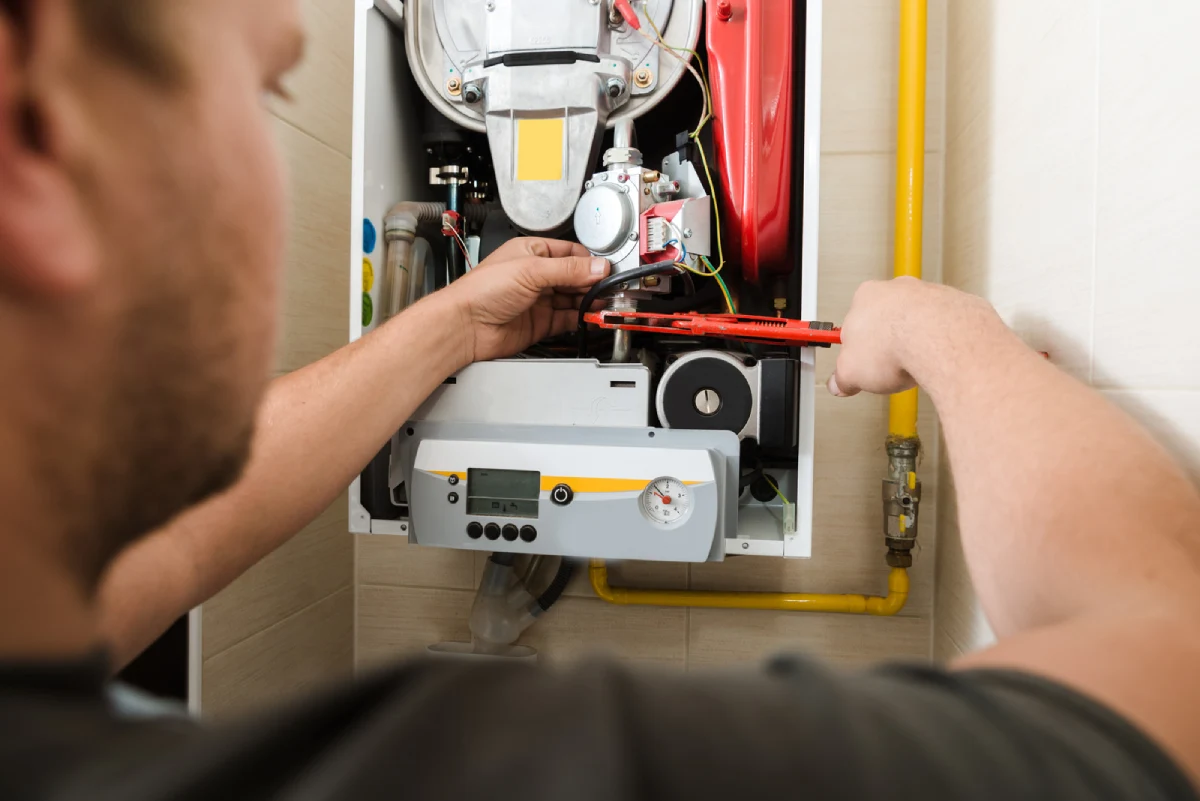
A modern furnace can tell you when something is wrong before the problem becomes a complete heating failure. When the system detects an abnormal condition, many furnaces display an error code through a blinking LED light, digital display, or diagnostic indicator.
For Surrey homeowners, understanding what that code is trying to communicate can help determine whether the issue is minor, requires professional attention, or may involve a safety-related component.
However, an error code is usually a starting point for diagnosis—not a complete diagnosis by itself. The same symptoms can sometimes result from different underlying problems, which is why repeatedly resetting the furnace without identifying the cause may not solve the issue.
What Does a Furnace Error Code Actually Mean?
A furnace error code is a diagnostic signal generated when the control board detects an operating condition outside its expected parameters.
Depending on the furnace manufacturer and model, codes may point toward issues involving:
- Ignition or flame detection
- Pressure switches
- Airflow
- Limit switches
- Blower operation
- Temperature sensors
- Venting
- Control-board communication
- Electrical components
The exact meaning varies between manufacturers. A two-flash code on one furnace may mean something completely different on another.
The safest approach is to identify the furnace model and check the manufacturer’s diagnostic information before assuming what the code means.
Why Should Surrey Homeowners Pay Attention to Error Codes?
An occasional diagnostic code does not necessarily mean that a furnace is beyond repair. In some situations, the system may shut itself down temporarily because it has detected a condition that could damage the equipment or create an unsafe operating situation.
Ignoring recurring codes can allow a small operational problem to develop into a larger repair.
For example, a furnace repeatedly shutting down could be related to restricted airflow, a faulty sensor, ignition problems, or another component that needs attention. Continuing to restart the system without finding the underlying cause can make troubleshooting more difficult.
This is where professional furnace repairs Surrey homeowners rely on can become important.
Common Furnace Error-Code Categories
1. Ignition or Flame-Sensing Problems
If a furnace attempts to start but cannot establish or maintain a flame, the control system may generate a diagnostic code.
Possible causes can include:
- Ignition component problems
- Flame-sensor contamination or failure
- Gas-supply issues
- Wiring problems
- Control-system faults
A furnace that repeatedly attempts ignition and then shuts down should not simply be reset over and over. A qualified technician can determine whether the problem is related to ignition, flame detection, fuel supply, or another component.
2. Pressure-Switch or Venting Codes
Many high-efficiency furnaces use a pressure switch to verify that the combustion and venting system is operating within the required conditions.
A related error may indicate a problem such as:
- Restricted intake or exhaust venting
- Condensate drainage issues
- Pressure-switch failure
- Blocked tubing
- Problems affecting the furnace’s combustion-air system
Because these components are connected to safe furnace operation, recurring pressure-related errors deserve professional investigation.
3. Limit-Switch or Overheating Codes
A furnace may shut down when its internal temperature becomes higher than the permitted operating range.
Restricted airflow is one possible contributor. Dirty filters, blocked return-air paths, closed vents, blower problems, or other system conditions can affect how efficiently heat moves through the home.
If the furnace repeatedly starts, heats for a short period, and shuts itself off, the problem should be investigated rather than treated as a simple thermostat issue.
4. Blower or Airflow-Related Errors
The blower is responsible for moving heated air through the ductwork. If the control system detects abnormal blower operation, it may display a diagnostic code.
Homeowners may also notice:
- Weak airflow from registers
- Uneven heating
- Longer heating cycles
- Unusual blower sounds
- Frequent system shutdowns
Airflow problems can affect both comfort and furnace operation, so a technician may need to inspect the filter, blower assembly, electrical controls, and duct system.
Can You Reset a Furnace After an Error Code?
A basic power reset may sometimes clear a temporary fault, but clearing the code does not necessarily fix the underlying problem.
If the same error returns after the furnace restarts, that recurrence is useful diagnostic information.
Instead of repeatedly switching the furnace off and on, homeowners should record:
- The exact error code or blinking-light sequence.
- When the code appears.
- What the furnace does immediately before shutting down.
- Whether the home is receiving warm air.
- Any unusual sounds or smells.
This information can help a technician narrow down the cause more efficiently.
When Is a Furnace Error Code a Reason to Call for Repair?
Professional inspection becomes especially important when an error code is repeated, accompanied by abnormal furnace behavior, or preventing the home from heating properly.
Consider arranging an inspection if:
- The furnace repeatedly shuts down.
- The same error code keeps returning.
- The system produces little or no heat.
- The blower behaves unusually.
- The furnace makes unfamiliar noises.
- The system has ignition problems.
- Heating performance has noticeably declined.
- You smell gas or notice signs of a combustion problem.
If you smell natural gas, leave the area and follow your local gas utility’s emergency guidance rather than attempting to diagnose or repair the furnace yourself.
Error Code or Furnace Replacement? How Do You Know?
Seeing an error code does not automatically mean you need a new furnace.
A professional assessment can determine whether the issue involves a repairable component, an airflow or venting condition, an electrical fault, or a larger equipment problem.
Replacement may become a consideration when an older furnace has recurring failures, significant component problems, declining reliability, or efficiency concerns. But the decision should be based on the furnace’s actual condition rather than a single diagnostic code.
For homeowners researching Furnace Installation Surrey, understanding the difference between a repairable fault and a replacement situation can help make that decision more informed.
Why Professional Furnace Diagnosis Matters
Furnace error codes can appear straightforward, but the code often identifies a system condition rather than the failed component itself.
For example, an airflow-related fault does not necessarily mean the blower is defective. Similarly, an ignition-related code may require checking several components before the actual cause becomes clear.
A professional HVAC technician can examine the furnace’s operating sequence, electrical readings, airflow, safety controls, ignition system, and other relevant components to identify the underlying problem.
This is particularly important when choosing an HVAC Contractor Surrey homeowners can depend on for both diagnosis and ongoing heating-system support.
What Should Surrey Homeowners Do When an Error Code Appears?
Start by taking a photo of the code or noting the blinking-light sequence. Check whether the furnace filter is due for replacement and make sure supply and return vents are not accidentally blocked.
Beyond these basic observations, avoid dismantling the furnace or bypassing safety controls.
If the error returns, the furnace stops heating, or the system behaves abnormally, professional troubleshooting is the appropriate next step. A qualified technician can determine whether the problem is related to ignition, airflow, venting, electrical controls, or another part of the system.
For homeowners comparing HVAC companies Surrey, look for a provider that can diagnose the underlying issue rather than simply clearing the error message.
A furnace error code is your heating system’s way of communicating that something needs attention. The code itself may not reveal the exact failed component, but it can provide valuable information about where troubleshooting should begin.
Understanding the warning, documenting the symptoms, and getting the issue properly diagnosed can help prevent unnecessary resets, recurring breakdowns, and avoidable damage. Most importantly, homeowners should never bypass furnace safety controls or attempt repairs involving gas or combustion components themselves.
For dependable heating diagnosis, repairs, maintenance, or replacement guidance in Surrey, contact Guru Service Group, which helps homeowners determine the right next step for their furnace.
Frequently Asked Questions
Can a furnace error code disappear on its own?
Sometimes a temporary fault may clear after the system restarts, but a recurring code usually indicates an unresolved issue that should be professionally diagnosed.
Does a furnace error code always mean I need a new furnace?
No. Many error codes are associated with repairable issues involving ignition, airflow, sensors, venting, or electrical components. Replacement depends on the overall condition, age, reliability, and repair needs of the furnace.
When should I call a professional for furnace repairs in Surrey?
You should consider professional service when an error code repeatedly appears, the furnace stops producing heat, cycles abnormally, makes unusual sounds, or shows other signs of malfunction.
Can Guru Service Group help with furnace error codes in Surrey?
Yes. Guru Service Group provides HVAC services in Surrey and can help diagnose furnace problems, identify the cause behind recurring error codes, and determine whether repair, maintenance, or replacement is appropriate.