

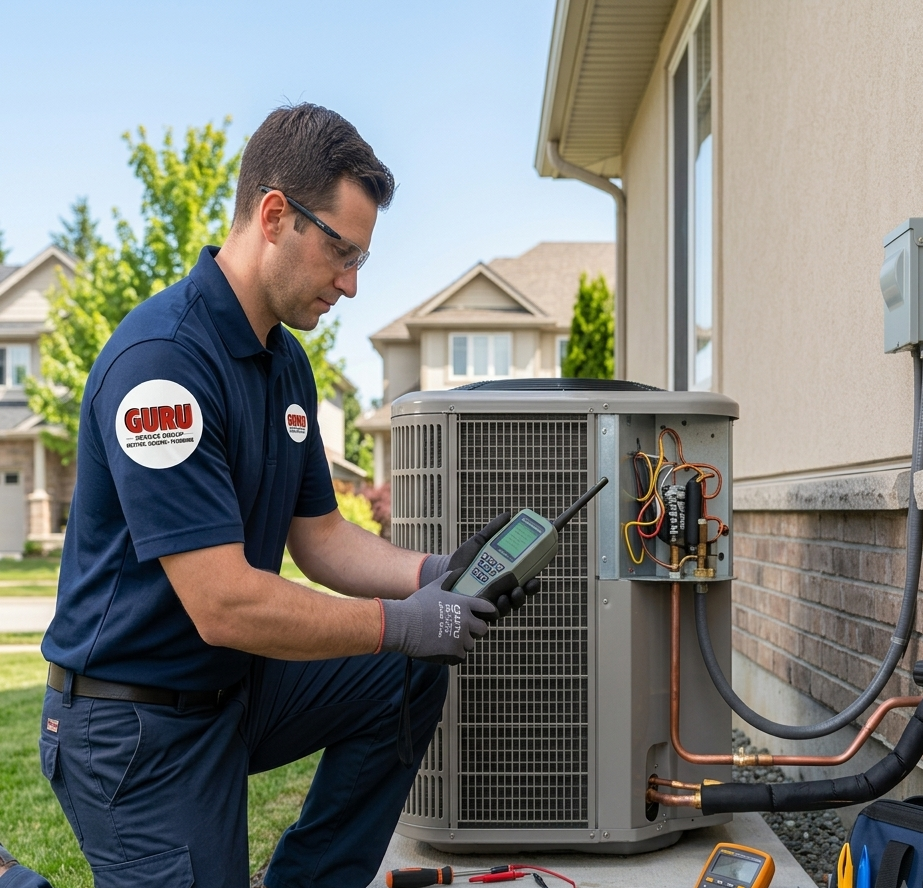
Modern air conditioning systems are designed to operate as sealed, high-efficiency cooling systems. When refrigerant begins to escape—even through a microscopic opening—cooling performance drops, energy consumption rises, and expensive components like the compressor become vulnerable to failure. The challenge is that many refrigerant leaks occur in places that are not visible during a standard inspection.
This is why professional technicians rely on electronic refrigerant leak detection. Using highly sensitive diagnostic equipment, an experienced HVAC Contractor Surrey can pinpoint hidden leaks without unnecessary disassembly, allowing for faster, more accurate repairs. Whether you own a home or commercial property, investing in advanced leak detection helps protect your HVAC system, lower operating costs, and extend equipment life.
Why Small Refrigerant Leaks Become Big Problems
A refrigerant leak rarely causes immediate system failure. Instead, it gradually reduces cooling capacity while forcing the air conditioner to work harder. Because refrigerant continuously circulates inside a closed loop, any loss indicates that the system needs professional attention.
Ignoring a leak can lead to:
- Reduced cooling performance
- Higher monthly utility bills
- Longer system run times
- Frozen evaporator coils
- Compressor overheating
- Poor indoor humidity control
- Premature equipment replacement
- Increased environmental impact
Many homeowners only notice the problem when they require AC repair services in Surrey after their system stops cooling effectively. Early detection can often prevent major repairs.
What Is Electronic Refrigerant Leak Detection?
Electronic refrigerant leak detection is a specialized diagnostic process that uses sensitive electronic sensors to identify refrigerant gases escaping from HVAC components. Unlike visual inspections or guesswork, these tools detect extremely small leaks that might otherwise go undetected for months.
This technology allows technicians to inspect:
- Indoor evaporator coils
- Outdoor condenser coils
- Refrigerant piping
- Braze joints
- Service valves
- Compressor connections
- Expansion valves
- Heat pumps
- Ductless mini-split systems
- Commercial rooftop units
Instead of repeatedly adding refrigerant, a qualified technician identifies the exact source of the leak before recommending repairs.
How Electronic Leak Detectors Work
Electronic detectors continuously sample the surrounding air while the technician slowly scans HVAC components. Even trace amounts of refrigerant trigger the detector.
Depending on the equipment used, technicians receive alerts through:
- Audible alarms
- LED indicators
- Digital refrigerant concentration displays
- Adjustable sensitivity controls
This process allows leaks to be identified long before they become visible.
Advanced Leak Detection Technologies Used by HVAC Professionals
Infrared Leak Detection
Infrared detectors measure changes in infrared light caused by refrigerant gases. They provide exceptional accuracy while minimizing false alarms and are widely used for both residential and commercial systems.
Heated Diode Detection
Heated diode sensors react when refrigerant molecules pass through the detector. They offer fast response times and excellent sensitivity for locating small leaks.
Ultrasonic Leak Detection
Some refrigerant leaks produce ultrasonic frequencies as gas escapes under pressure. Ultrasonic detectors identify these sounds even in large mechanical rooms where leaks may otherwise go unnoticed.
Nitrogen Pressure Testing
When necessary, technicians may pressurize the system with dry nitrogen after refrigerant recovery. This helps confirm leak locations before permanent repairs are completed.
Common Areas Where Hidden Leaks Develop
Years of vibration, temperature changes, and environmental exposure can weaken HVAC components.
Professionals typically inspect:
Evaporator Coil
Indoor coils often develop tiny corrosion holes caused by moisture and airborne contaminants. These slow leaks are among the most common residential HVAC issues.
Condenser Coil
Outdoor condenser units are exposed to weather, debris, road salt, and physical impacts, making them susceptible to corrosion and refrigerant loss.
Refrigerant Line Connections
Improper installation, vibration, or aging brazed joints may eventually develop leaks at connection points.
Service Ports and Valves
Damaged valve cores or loose service caps are small components that can result in continuous refrigerant loss if overlooked.
Compressor Connections
Compressor fittings and welded joints experience constant vibration, making careful inspection essential during professional diagnostics.
Why Professional Leak Detection Saves Money
Simply refilling refrigerant without locating the source of the leak increases operating costs and may eventually damage the compressor.
Professional diagnostics help:
- Prevent unnecessary refrigerant loss
- Improve cooling efficiency
- Reduce future repair costs
- Protect expensive HVAC components
- Extend equipment lifespan
- Restore manufacturer-recommended performance
Rather than treating symptoms, a reputable HVAC Company Surrey focuses on correcting the underlying issue.
Electronic Detection Supports Energy Efficiency
A properly sealed refrigerant system requires less energy to maintain indoor comfort. Hidden leaks force equipment to operate longer, increasing electricity consumption and placing additional stress on critical components.
Accurate leak detection contributes to:
- Lower energy bills
- More consistent indoor temperatures
- Better humidity control
- Reduced greenhouse gas emissions
- Longer HVAC service life
For Surrey property owners, preventative diagnostics can significantly reduce long-term ownership costs.
Signs Your HVAC System May Have a Refrigerant Leak
Professional inspection is recommended if you notice:
- Warm air from supply vents
- Ice forming on refrigerant lines
- Weak airflow
- Frequent cooling cycles
- Rising electricity bills
- Hissing sounds near refrigerant piping
- Uneven temperatures throughout the property
- Reduced cooling during hot weather
These symptoms should never be ignored, as continued operation may lead to compressor failure.
Preventative Maintenance Helps Catch Leaks Early
Routine HVAC maintenance includes much more than changing air filters. Comprehensive inspections allow technicians to detect minor refrigerant leaks before they develop into costly system failures.
Preventative maintenance often includes:
- Refrigerant pressure testing
- Electronic leak scanning
- Coil inspection and cleaning
- Airflow evaluation
- Electrical safety testing
- Thermostat calibration
- Drainage system inspection
- Overall system performance analysis
Scheduling regular maintenance improves reliability while helping homeowners avoid emergency breakdowns.
Choose Experienced Professionals for Accurate Diagnostics
Electronic refrigerant leak detection requires specialized equipment, technical expertise, and knowledge of modern HVAC systems. Accurate diagnostics reduce unnecessary repairs, improve system efficiency, and ensure refrigerant issues are resolved the first time correctly.
Whether your system serves a home, office, retail space, or industrial facility, working with an experienced HVAC Contractor Surrey ensures your heating and cooling equipment receives the professional care it deserves.
Contact Guru Service Group for Expert HVAC Diagnostics
If your air conditioner isn’t cooling properly or you suspect a refrigerant leak, don’t settle for temporary refrigerant refills. Guru Service Group provides advanced leak detection, complete system diagnostics, preventative maintenance, and reliable repair solutions for residential and commercial HVAC systems. Whether you need professional AC repair in Surrey, dependable HVAC maintenance, or an experienced HVAC company, contact Guru Service Group for accurate service that keeps your system running efficiently year-round.
Frequently Asked Questions
Will adding refrigerant solve my cooling problem?
No. Adding refrigerant without repairing the leak only provides temporary cooling. The source of the leak must be located and repaired.
How long does a refrigerant leak inspection take?
Most residential inspections take between 30 minutes and 2 hours, depending on system size and the complexity of the leak.
Can refrigerant leaks damage the compressor?
Yes. Operating with low refrigerant forces the compressor to work harder, increasing wear and potentially causing complete compressor failure.
How often should refrigerant leak testing be performed?
Leak detection should be performed whenever refrigerant loss is suspected and during professional HVAC maintenance if system performance indicates a possible leak.