A furnace can appear to be working perfectly in late summer and still develop problems once Surrey temperatures begin dropping. That is why waiting until October for a furnace inspection can create unnecessary pressure, especially when many homeowners are trying to schedule heating service at the same time.
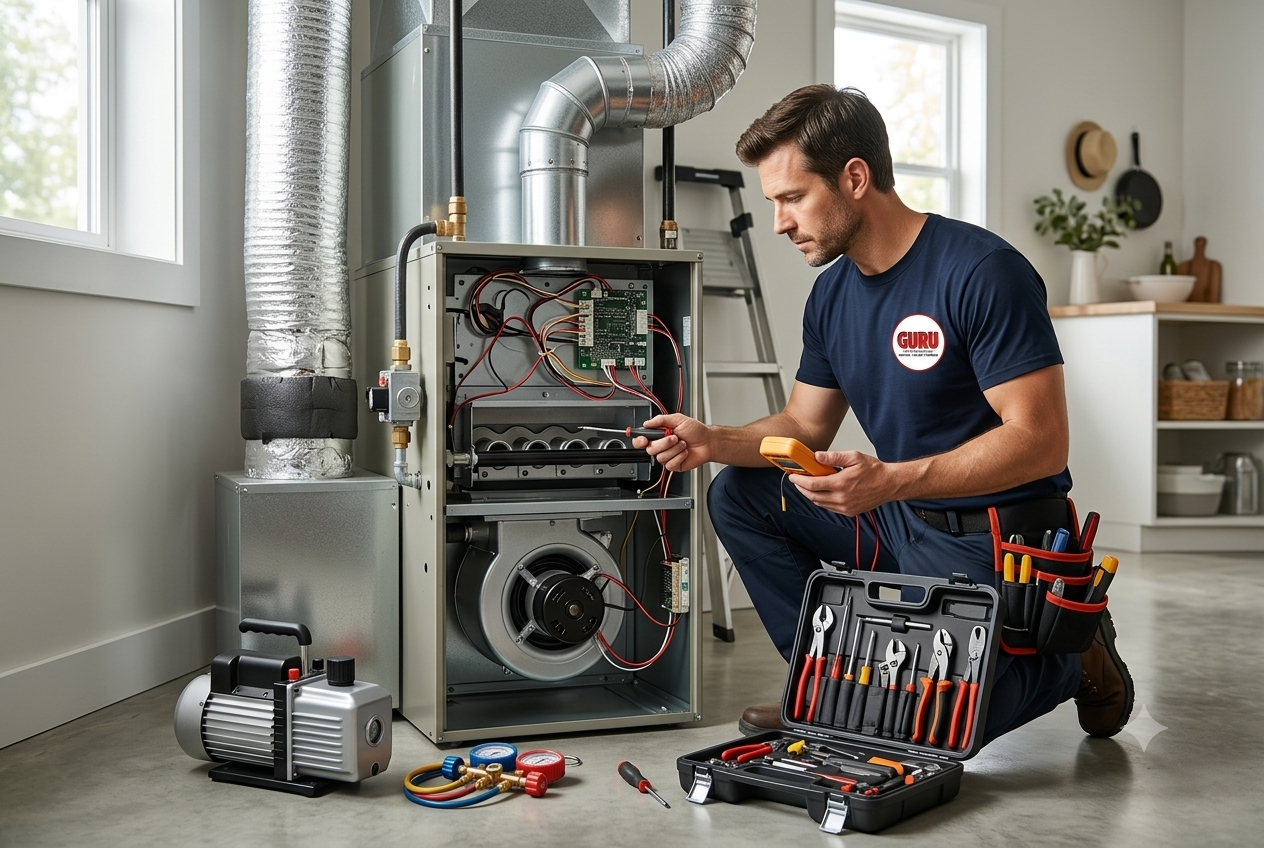
A better approach is to treat early fall as a preventive maintenance window. Before your furnace faces weeks of continuous heating demand, a professional inspection can identify airflow restrictions, ignition problems, electrical concerns, worn components, and efficiency issues while there is still time to address them.
For homeowners planning seasonal maintenance, the following checklist explains what should be reviewed before the first major cold spell—and when a tune-up may no longer be enough.
Why October May Be Too Late for a Furnace Tune-Up
October often feels like the natural month to turn the heating system back on. However, that does not necessarily make it the best time to book maintenance.
Once colder weather arrives, furnace demand increases quickly. Homeowners who postponed maintenance may discover problems only after the system begins running for longer cycles.
Delaying service can create several challenges:
- Limited appointment availability during peak heating season
- Unexpected breakdowns during cold weather
- Reduced heating efficiency
- Uneven temperatures throughout the home
- Higher operating costs caused by restricted airflow or mechanical problems
- Greater stress on aging components
An early inspection gives homeowners more time to decide whether the system needs a simple adjustment, repair, or eventual replacement.
Fall Furnace Tune-Up Checklist for Surrey Homes
A useful furnace tune-up should go beyond simply switching the system on and confirming that warm air comes out.
1. Check the Furnace Filter
A dirty filter can restrict airflow and force the furnace to work harder to circulate heated air.
Before the heating season begins, homeowners should check the filter and replace it if it is dirty or overdue for replacement. The correct replacement schedule depends on the filter type, household conditions, pets, indoor air quality needs, and furnace specifications.
A filter that looks only moderately dirty may still affect airflow, so regular inspection is more useful than waiting for an obvious problem.
2. Inspect Airflow Throughout the Home
If some rooms are significantly colder than others, the issue may not simply be the outdoor temperature.
Restricted vents, blocked returns, ductwork problems, dirty filters, or an improperly balanced system can all affect how efficiently heated air moves through the home.
During a seasonal inspection, airflow should be evaluated rather than assuming the furnace itself is the only factor.
3. Examine the Heat Exchanger
The heat exchanger is a critical furnace component because it separates combustion gases from the air being circulated through the home.
A professional technician should inspect it for signs of damage, corrosion, or other abnormalities. Problems involving the heat exchanger should never be ignored because they can have serious safety implications.
This is one reason professional furnace maintenance is more valuable than simply performing a visual check yourself.
4. Test the Ignition and Burner System
Modern furnaces rely on ignition and burner components to establish and maintain combustion.
A technician can check whether ignition occurs properly and whether the burners are operating as intended. Delayed ignition, unusual burner behavior, or repeated startup problems can indicate that professional attention is required.
Addressing these issues before winter can help prevent a small performance problem from becoming a heating emergency.
5. Inspect Electrical Connections and Controls
Furnaces contain electrical components that control startup, operation, and safety functions.
A seasonal inspection should include appropriate checks of electrical connections, controls, motors, and related components. Loose or deteriorating connections can contribute to unreliable operation and should be addressed by a qualified professional.
This is particularly important before the furnace transitions from occasional summer inactivity to frequent winter operation.
6. Check the Blower and Motor
The blower is responsible for moving conditioned air through the home’s duct system.
If the blower is dirty, worn, or operating inefficiently, homeowners may experience weak airflow, inconsistent temperatures, unusual sounds, or longer heating cycles.
A professional tune-up can help determine whether the blower assembly is operating efficiently or showing signs of wear.
7. Inspect the Venting System
Combustion appliances require proper venting.
During a furnace inspection, the venting system should be evaluated for visible damage, blockage, deterioration, or other conditions that could affect safe operation.
Homeowners should never attempt to modify or repair furnace venting themselves. If something appears unusual, professional assessment is the safer approach.
8. Test Safety Controls
Furnaces are equipped with safety mechanisms designed to respond to abnormal operating conditions.
A professional technician can verify that appropriate safety controls are functioning as intended. This is particularly important because a furnace may appear to operate normally while a safety-related component is not performing correctly.
Preventive maintenance should therefore evaluate both performance and safety, not just temperature output.
9. Check for Unusual Furnace Sounds
Strange noises are often early warning signs.
Different sounds can point to different issues. Rattling, squealing, grinding, banging, buzzing, or repeated clicking should not automatically be dismissed as normal furnace operation.
If a furnace starts making unusual sounds before the heating season, having the system inspected early can be much easier than waiting until the problem causes a complete shutdown.
10. Evaluate Thermostat Performance
The thermostat determines when the furnace starts and stops heating.
Incorrect temperature readings, short cycling, inconsistent settings, or communication problems between the thermostat and furnace can affect comfort and efficiency.
During a seasonal check, homeowners should confirm that the thermostat responds appropriately and that the heating system follows the programmed settings.
What If Your Furnace Is Already Showing Warning Signs?
A tune-up is intended for preventive maintenance. It is not always the right solution for a furnace that is already experiencing significant problems.
Homeowners should consider professional diagnosis if they notice:
- Frequent cycling
- Weak or inconsistent airflow
- Persistent unusual noises
- Repeated ignition problems
- Rooms that remain unusually cold
- A sudden increase in heating costs
- Frequent service calls
- A furnace that struggles to maintain the thermostat setting
- Visible corrosion or damage
- A system that repeatedly shuts down
If problems are already occurring, the technician can determine whether repair, further diagnosis, or replacement makes more sense.
When Should You Consider Furnace Replacement in Surrey?
Not every older furnace needs to be replaced immediately. However, repeated breakdowns and declining performance can indicate that continuing to repair the system may not be the most practical long-term strategy.
Homeowners considering furnace replacement Surrey should evaluate more than the age of the equipment.
Important considerations include:
Repair Frequency
If the furnace requires repeated repairs every heating season, maintenance costs can begin adding up.
Operating Performance
A system that struggles to maintain comfortable temperatures may have reached a point where replacement deserves consideration.
Parts Availability
Older equipment may become increasingly difficult or expensive to repair if replacement components are limited.
Safety and Reliability
If a professional identifies serious damage or safety concerns, replacement may be more appropriate than continuing to operate the equipment.
Long-Term Heating Plans
If you expect to remain in your Surrey home for many years, investing in a newer heating system may make more sense than repeatedly repairing an aging unit.
A replacement decision should be based on the furnace’s condition, repair history, efficiency, safety, and expected remaining service life—not simply its age.
Should You Call an HVAC Company Before the First Cold Spell?
Yes, particularly if your furnace has not been professionally inspected recently or has shown warning signs.
Homeowners often search for hvac companies Surrey when the furnace stops working in the middle of winter. A more proactive strategy is to establish a relationship with a qualified HVAC provider before an emergency occurs.
This allows homeowners to address maintenance and potential repairs while the system is still operational and gives them more time to compare solutions if replacement becomes necessary.
Why Early Maintenance Can Be More Strategic Than Emergency Service
The biggest advantage of an early furnace tune-up is not simply preventing a breakdown.
It creates an opportunity to make an informed decision.
If your furnace is healthy, you can enter the heating season with greater confidence. If a component needs attention, you can address it before the system faces heavy demand. And if replacement appears likely, you can research options without making a rushed decision during a cold-weather failure.
This makes fall maintenance part of a broader home heating strategy rather than just another seasonal chore.
What Surrey Homeowners Can Do Before the Technician Arrives
A few simple checks can help homeowners prepare for a professional appointment:
- Replace a visibly dirty furnace filter
- Make sure supply vents are not blocked by furniture
- Keep furnace-room access clear
- Check whether the thermostat responds normally
- Note unusual sounds or odors
- Record any recent furnace problems
- Review previous repair history
- Identify rooms with persistent temperature differences
These steps do not replace professional maintenance, but they can help provide useful information about how the system has been performing.
Plan Furnace Maintenance Before October
Waiting until October can mean waiting until the heating season is already approaching its busiest period. For Surrey homeowners, an earlier furnace inspection provides more flexibility to correct developing problems, improve system performance, and evaluate replacement options if the equipment is nearing the end of its useful life.
Whether you need routine maintenance, troubleshooting, or are beginning to research furnace replacement Surrey, choosing a qualified HVAC professional before the first major cold spell can make winter preparation much easier.
For professional heating maintenance, repairs, and replacement guidance, contact Guru Service Group to schedule a furnace assessment and prepare your Surrey home for the upcoming heating season.
Frequently Asked Questions
What does a professional furnace tune-up include?
A professional inspection may include checking the filter and airflow, burners, ignition system, blower, electrical components, thermostat, safety controls, heat exchanger, and venting system. The exact inspection varies according to the furnace and service provider.
How do I know whether my furnace needs repair or replacement?
Frequent breakdowns, increasing repair costs, poor heating performance, recurring problems, and serious component or safety concerns can indicate that replacement should be considered. A professional assessment can help determine the most appropriate option.
Is an old furnace automatically inefficient?
Not necessarily. Age is one factor, but actual condition, maintenance history, operating performance, system design, and repair requirements are also important when evaluating a furnace.
How can I find reliable HVAC companies in Surrey?
Look for an established HVAC provider that offers clear service information, professional diagnostics, furnace maintenance, repair, and replacement support. Comparing experience, service scope, communication, and customer reviews can help homeowners make a more informed choice.