
As energy efficiency and sustainability become top priorities for homeowners, many people are asking an important question: Can a heat pump fully replace a furnace? With rising utility costs and growing awareness of environmentally friendly heating solutions, heat pumps are gaining serious attention across British Columbia. But does switching from a traditional furnace to a heat pump actually make sense for your home?
Let’s explore how heat pumps work, when they can replace a furnace, and what homeowners should consider before making the change.
Understanding the Difference Between a Furnace and a Heat Pump
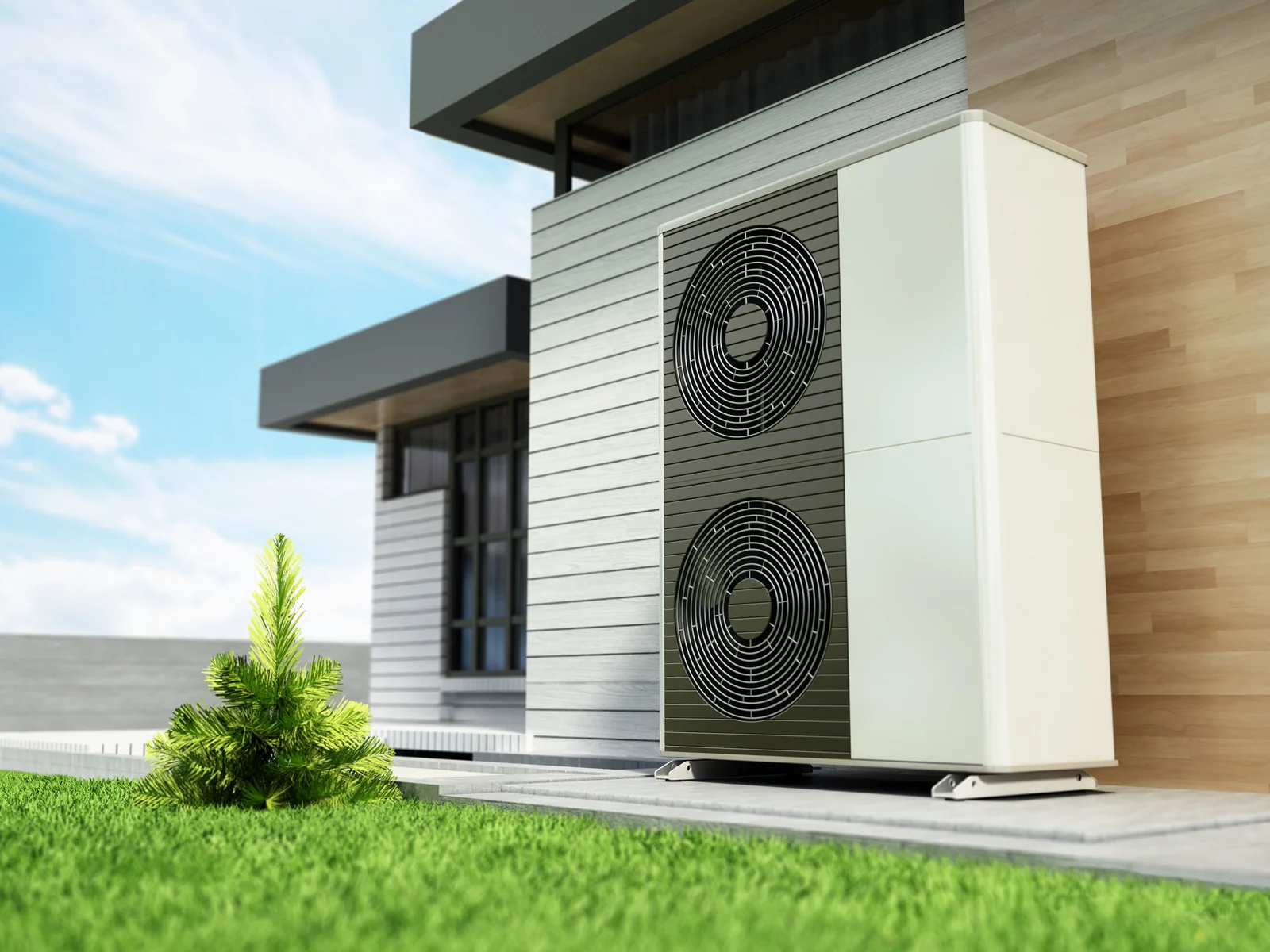
A furnace generates heat by burning fuel (such as natural gas) or using electricity to warm air, which is then distributed throughout the home. Heat pumps, on the other hand, do not create heat—they transfer heat. In winter, a heat pump pulls heat from the outdoor air and moves it indoors. In summer, the process reverses, providing air conditioning.
This dual functionality makes heat pumps especially appealing for homeowners looking for an all-in-one heating and cooling solution.
Can a Heat Pump Really Handle Cold Winters?
One of the biggest concerns homeowners have is whether a heat pump can keep their home warm during colder months. The good news is that modern cold-climate heat pumps are designed to operate efficiently even in low temperatures.
In many parts of the Lower Mainland, winters are relatively mild compared to other regions of Canada. This makes heat pumps a viable primary heating system for many homes, especially newer or well-insulated properties.
However, older homes with poor insulation or high heating demands may still benefit from a backup heating source.
When a Heat Pump Can Fully Replace a Furnace
A heat pump can fully replace a furnace if:
- Your home is properly insulated
- Your heating load matches the system’s capacity
- You live in a region with moderate winter temperatures
- You’re comfortable transitioning away from gas-based heating
For many homeowners considering Heat Pump Installation Surrey, the shift is driven by long-term energy savings, lower carbon emissions, and eligibility for government rebates.
Situations Where a Hybrid System Makes More Sense
In some cases, a hybrid system—also called a dual-fuel system may be the better option. This setup combines a heat pump with a furnace. The heat pump handles most heating needs, while the furnace only activates during extreme cold.
Homeowners who are planning a Furnace Replacement Surrey project often explore this option because it allows them to reduce energy costs without fully abandoning their existing heating infrastructure.
Energy Efficiency & Cost Savings
Heat pumps are among the most energy-efficient heating systems available. Because they transfer heat instead of generating it, they can deliver up to three times more energy than they consume.
While the upfront installation cost may be higher than a furnace replacement, long-term savings on energy bills can be substantial. Additionally, homeowners often benefit from rebates and incentives, making the investment more attractive.
Cooling Is a Major Bonus
Unlike furnaces, heat pumps provide cooling as well. This eliminates the need for a separate air conditioning system. For homeowners currently relying on window units or older AC systems, this added functionality significantly increases comfort and home value.
Maintenance & Longevity Considerations
Heat pumps require regular maintenance to perform efficiently. This includes filter changes, coil cleaning, and system inspections. When issues arise, timely Heat Pump Repair Surrey services are essential to maintain performance and extend system lifespan.
With proper care, heat pumps can last 15–20 years, making them a reliable long-term solution for whole-home comfort.
Professional Guidance Makes the Difference
Choosing between a heat pump, a furnace, or a hybrid system is not a one-size-fits-all decision. Home size, insulation, ductwork, energy goals, and budget all play critical roles. Working with an experienced HVAC Contractor Surrey ensures your system is correctly sized, installed, and optimized for your home’s needs.
This is where Guru Service Group comes in. Their experienced technicians help homeowners evaluate whether a heat pump can fully replace a furnace or if a hybrid approach makes more sense based on individual requirements.
Is a Heat Pump Enough?
So, can a heat pump fully replace a furnace? For many homes, yes. Especially in regions with moderate winters, a properly installed heat pump can deliver efficient, reliable heating while also providing cooling. For others, a hybrid system may offer the best balance between performance and peace of mind.
If you’re considering upgrading your heating system or exploring energy-efficient alternatives, contact Guru Service Group is a trusted provider. Their team can assess your home, explain your options, and deliver professional installation and support tailored to your comfort goals.
Frequently Asked Questions
Are heat pumps effective during very cold weather?
Modern cold-climate heat pumps are designed to work efficiently in low temperatures, but extreme cold may require a backup heat source in some homes.
Is installing a heat pump more expensive than replacing a furnace?
Initial costs are often higher, but energy savings and available rebates can make heat pumps more cost-effective over time.
Do heat pumps also provide air conditioning?
Yes, heat pumps offer both heating and cooling, eliminating the need for a separate air conditioning system.
How do I know if a heat pump is right for my home?
A professional assessment considering insulation, home size, and heating needs is the best way to determine if a heat pump can replace your furnace.