
Your boiler plays a crucial role in keeping your home warm and comfortable, especially during the colder months. One of the key components ensuring your boiler functions properly is the pressure switch. When this small but mighty part malfunctions, it can disrupt your heating system and leave you in the cold. Let’s dive into what a boiler pressure switch does, common issues, and how to keep it in top shape.
What Does a Boiler Pressure Switch Do?
The pressure switch is a safety device that monitors the pressure levels in your boiler. It ensures that:
- The boiler operates within safe pressure limits: Preventing over-pressurization or under-pressurization.
- The ignition process is safe: The switch confirms the correct pressure is present before allowing the boiler to ignite.
If the pressure is too high or too low, the switch will shut the boiler down to prevent damage or safety risks.
Common Pressure Switch Issues
1️⃣ Pressure Too Low: A lack of water in the system or leaks can cause the pressure to drop below the required levels, preventing the boiler from working.
2️⃣ Pressure Too High: Blockages or faults in the system can lead to over-pressurization, causing the switch to shut down the boiler as a precaution.
3️⃣ Faulty Switch: Like any mechanical part, the pressure switch can wear out over time, leading to incorrect readings or failure to operate.
4️⃣ Wiring Problems: Loose connections or damaged wiring can disrupt the switch’s communication with the boiler.
Signs Your Boiler Pressure Switch May Be Failing
- Your boiler won’t ignite.
- The system shuts off unexpectedly.
- Fault codes appear on the boiler display (commonly related to pressure).
- Fluctuating pressure readings on the boiler gauge.
- Unusual noises coming from the boiler.
How to Address Boiler Pressure Switch Issues
Here’s what to do if you suspect a pressure switch problem:
1️⃣ Check the Pressure Gauge: Ensure the pressure is within the recommended range (typically 1.0-2.0 bar for most boilers).
2️⃣ Look for Leaks: Inspect for visible leaks in radiators, valves, or pipes.
3️⃣ Reset the Boiler: Sometimes a simple reset can clear temporary issues. Check your manual for instructions.
4️⃣ Clean the Switch: Dirt or debris buildup can affect the switch’s performance. If you’re comfortable, clean it carefully or call a professional.
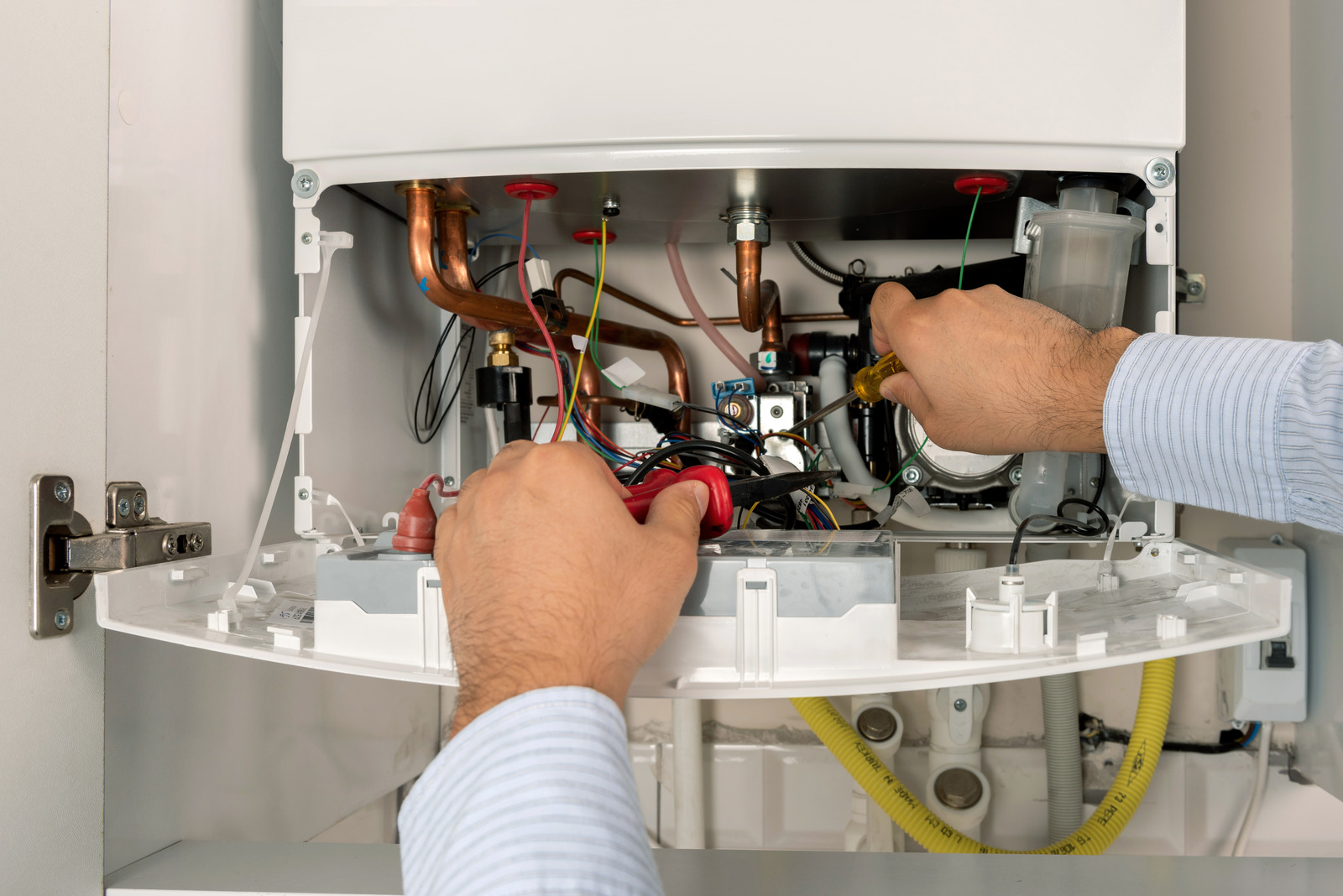
5️⃣ Call an Expert: For wiring problems, switch replacement or advanced troubleshooting, always consult a qualified Surrey HVAC technician.
Tips to Prevent Pressure Switch Problems
- Regular Maintenance: Schedule annual boiler servicing to catch potential issues early.
- Monitor Pressure Levels: Keep an eye on your boiler’s pressure gauge and address fluctuations promptly.
- Bleed Your Radiators: Trapped air can cause pressure imbalances.
Inspect Your System: Look out for leaks or blockages regularly.
While some minor fixes can be done at home, diagnosing and repairing a faulty pressure switch requires expertise. Attempting DIY repairs on a boiler can be risky and might void your warranty. Trust the pros to ensure the job is done safely and efficiently.
Need help with your boiler? Our team of experts is just a call away. Contact Guru Service Group today for fast, reliable heating repair in Surrey, BC toensure your home stays warm and cozy!